
GEO Issue 76
A New Vision for GEO- U.S. Solidarity Economy Network is Born at USSF 2007 by J. Allard & J. Matthaei
- A Participatory Credit Union for Worker Cooperatives by Ajowa Nzinga Ifateyo
- Grutas Tolantongo: A Co-op Answer to Globalization? by Betsy Bowman and Bob Stone
- Worker Cooperative Conference Goes South: A Report on the ECWD by Ajowa Nzinga Ifateyo
- Building Cooperation East and South ECWD speech by Pam McMichael, Highlander Center
- Lessons I'm Bringing Back to My Co-op by Jim Johnson
SPECIAL FEATURES
"Other Economies Are Possible!": Building a Solidarity Economy
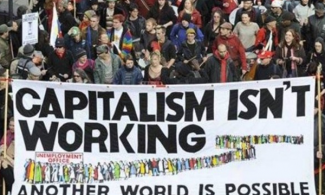
Consider this: thousands of diverse, locally-rooted, grassroots economic projects are in the process of creating the basis for a viable democratic alternative to capitalism. It might seem unlikely that a motley array of initiatives such as worker, consumer, and housing cooperatives, community currencies, urban gardens, fair trade organizations, intentional communities, and neighborhood self-help associations could hold a candle to the pervasive and seemingly all-powerful capitalist economy. These "islands of alternatives in a capitalist sea" are often small in scale, low in resources, and sparsely networked.
Three Questions About the U.S. Worker Co-op Movement
What an incredible experience! To spend a weekend in New York City attending the first membership meeting of the U.S. Federation of Worker Cooperatives, getting to know people from all around the country and the world while learning about the strength and vibrancy of the worker cooperative movement. As I reflected on my time at the conference, I kept returning to three questions that I heard again and again from participants. First, there was the question, are worker co-ops obliged to be actively a part of a larger social justice movement? Then there was the question, how do worker co-ops grow?