
In this issue we present four excellent articles addressing seemingly diverse topics: worker cooperatives in China, spontaneous cooperatives in an intentional community in Ithaca, New York, a study comparing the worker productivity in Employee Stock Ownership Plans (ESOP) firms to traditional capitalist firms, and the state of gender equality in worker cooperatives; however, the uniting theme of the issue is the "cooperative advantage." Worker cooperatives are not only the most fair, democratic, and equitable way to organize work but also the most efficient.
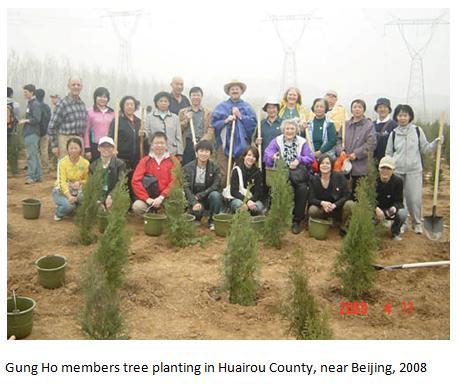
Robert Ware describes the rebirth of Gung Ho in China. Originally founded during the 1930s during the Japanese occupation of China, Gung Ho is a nonprofit organization dedicated to the development of producer cooperatives throughout China. Ware recently visited Gung Ho and describes the current challenges of this dynamic organization.
Richard Franke chronicles the development of small spontaneous cooperatives in the context of an intentional community, Ecovillage in Ithaca, New York. These cooperatives enable the residence of the community to pool their resources to meet specific needs and build solidarity.
Brent Kramer presents an overview of a study he completed comparing worker productivity at ESOPs to traditional hierarchical capitalist firms. Using a traditional capitalist measure of worker productivity he found that workers at ESOPs outperformed workers in traditional firms.
Genna Miller describes a preliminary study she conducted investigating the state of gender equality in worker cooperatives in the United States. She concludes "women fare better in co-ops than in the mainstream capitalist labor force in terms of occupational attainment, hourly wage rates, and achievement of leadership roles." However, she did find some interesting differences between women and men in worker cooperatives. For example, male worker-owners tend to earn more money than women worker-owners, not because they make more money per hour, but because they work more hours. In sum, each article demonstrates a different aspect of the universal appeal of democratic work.
John Lawrence
Issue Editor

Permanent link to this issue is http://geo.coop/node/616
When citing this article, please use the following format:
John Lawrence(2011). The Cooperative Advantage.
Grassroots Economic Organizing (GEO) Newsletter, Volume 2,Issue 8.
Add new comment